Replacing a box in a renovation project is a different selection problem than choosing one for a new build: the opening already exists, the depth behind it is whatever it is, and re-plastering or patching around a mismatched replacement is exactly the extra cost and time a renovation project is trying to avoid. The way to avoid it is to measure the existing box directly — not to order by the name or apparent size of what’s coming out — and to know in advance which dimension is most likely to force a compromise.
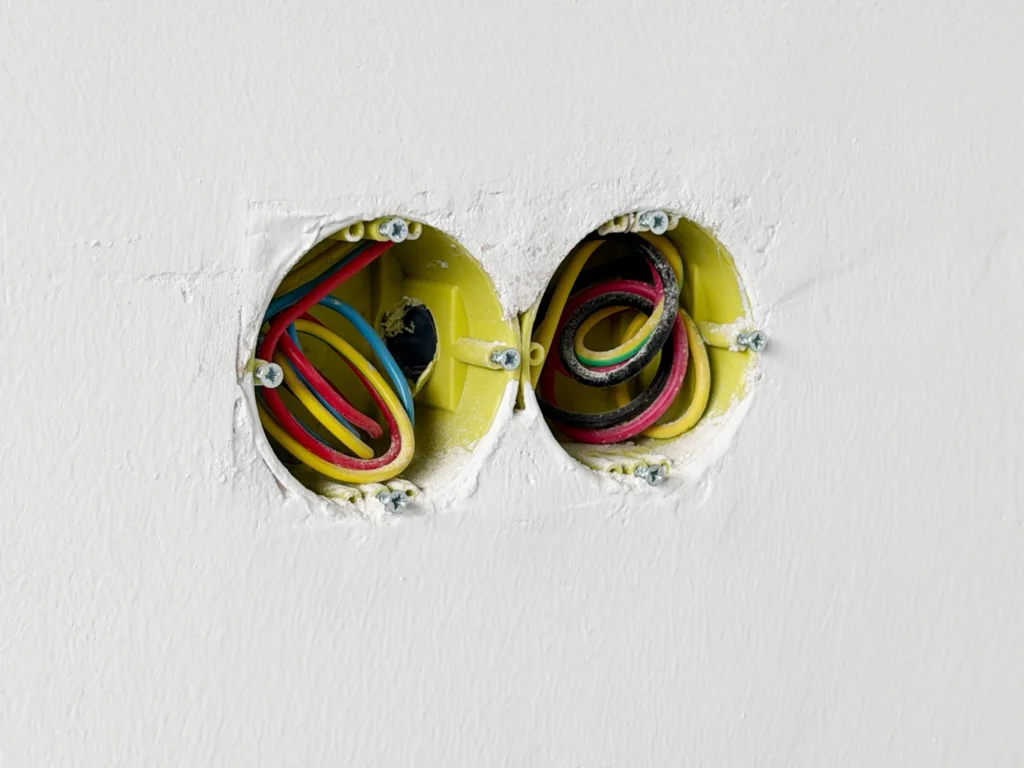
Why renovation is a different problem than new build
On a new build, the box is chosen first and the wall is built or cast around it. On a renovation, the opening and the depth behind it already exist, fixed by whatever was installed originally — sometimes years or decades earlier, to a specification that may not match anything currently in production. The replacement has to fit what’s already there, or the alternative is to enlarge the opening and patch the wall around it, which is the outcome most renovation projects are specifically trying to avoid.
What to measure on the existing box before ordering a replacement
- Outer diameter / opening size — measure the existing opening directly, not the box’s nominal size as printed or remembered.
- Depth — measure how deep the existing cavity actually is, including whatever’s directly behind it (insulation, a service void, a second wall layer).
- Centre distance — measure the fixing points on the existing box or the cover plate currently installed, since this determines whether the replacement will take the same device or cover frame without re-drilling. See the model comparison page for current centre-distance data across the range.
- Inlet position — note where the existing cable or conduit enters, since a replacement with inlets in a different position may not align with wiring that’s already run and can’t easily be moved.
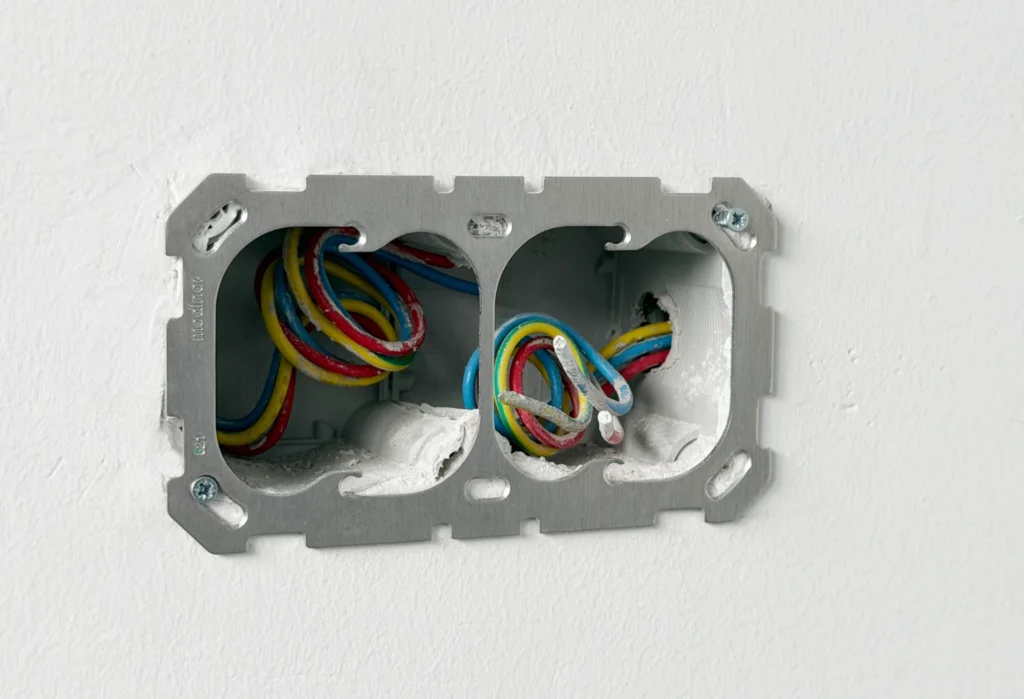
When a close-enough box works, and when it doesn’t
A replacement that’s close in outer diameter and depth but slightly larger will often still fit into an opening that has a little tolerance built in — this is the situation most likely to work without extra cutting. A replacement that’s smaller than the existing opening creates a gap that needs to be filled or patched around, which is exactly the extra work being avoided. A replacement with a different centre distance may go into the wall cleanly and still fail at the point of fitting the cover plate or device — which is why centre distance deserves its own explicit check every time, not an assumption based on outer size.
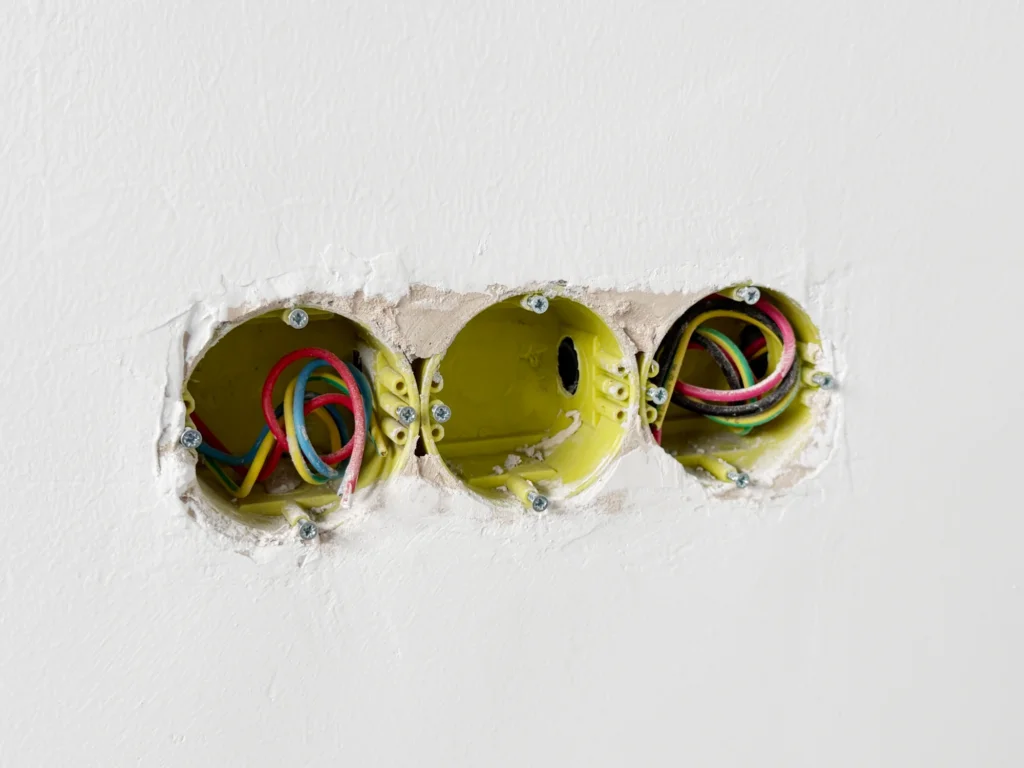
A renovation box-selection checklist
| Step | What to check | Why it matters |
|---|---|---|
| 1 | Measure the existing opening directly | Determines whether the replacement fits without enlarging the hole |
| 2 | Measure the depth behind the existing box | Determines whether the replacement seats correctly with the device |
| 3 | Measure centre distance on the existing box or cover plate | Determines whether the device/cover frame fits without re-drilling |
| 4 | Note existing inlet position | Determines whether existing wiring aligns with the replacement |
| 5 | Confirm material/IP rating suits the current use of the space | Renovation sometimes changes room use (e.g., adding a wet area) |
What to do when nothing measures as a clean match
If no current model matches the existing opening and depth closely enough to avoid patching, it’s worth confirming that conclusion before starting work rather than after opening the wall further than planned — a quick model comparison or a market-fit review against the exact measurements can confirm whether a genuine match exists, a limited-compromise option exists, or the project genuinely needs to enlarge the opening.
What we do differently
We check fit against the measurements you actually give us — the existing opening, the existing depth, the existing centre distance — rather than matching by the name of what’s coming out. If nothing in the current range is a clean match, we’ll tell you that directly rather than suggesting something close and hoping it’s close enough.